-
Virtual models: why virtual models became a new standard in advertising and branding
20.01.2026
Just a few years ago, the idea that a brand could run campaigns without a human model sounded odd. Shoots, castings, contracts, visas, weather issues—this was seen as unavoidable. Today virtual models https://sextalk.io/ are steadily changing the rules. And they do it quietly—no big slogans—simply by delivering results.
Businesses are tired of complexity. Marketing teams are tired of unpredictability. Audiences are tired of the same faces. That’s the moment virtual models entered the stage: digital characters that can look like real people, but operate by very different rules.
What virtual models are in plain terms
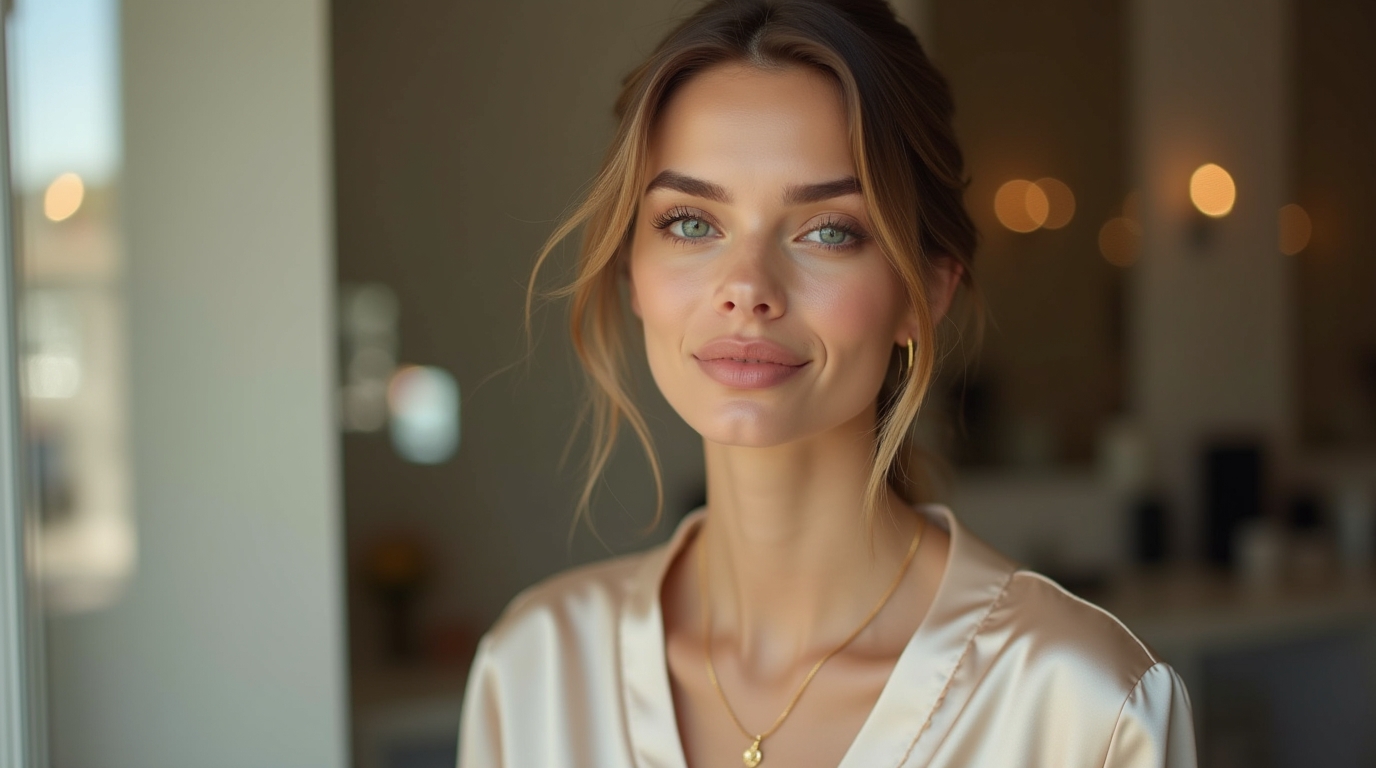
Virtual models are digital characters created with 3D graphics, AI tools, and design-driven animation. They can be photorealistic or stylized, resemble real people, or be fully fictional.
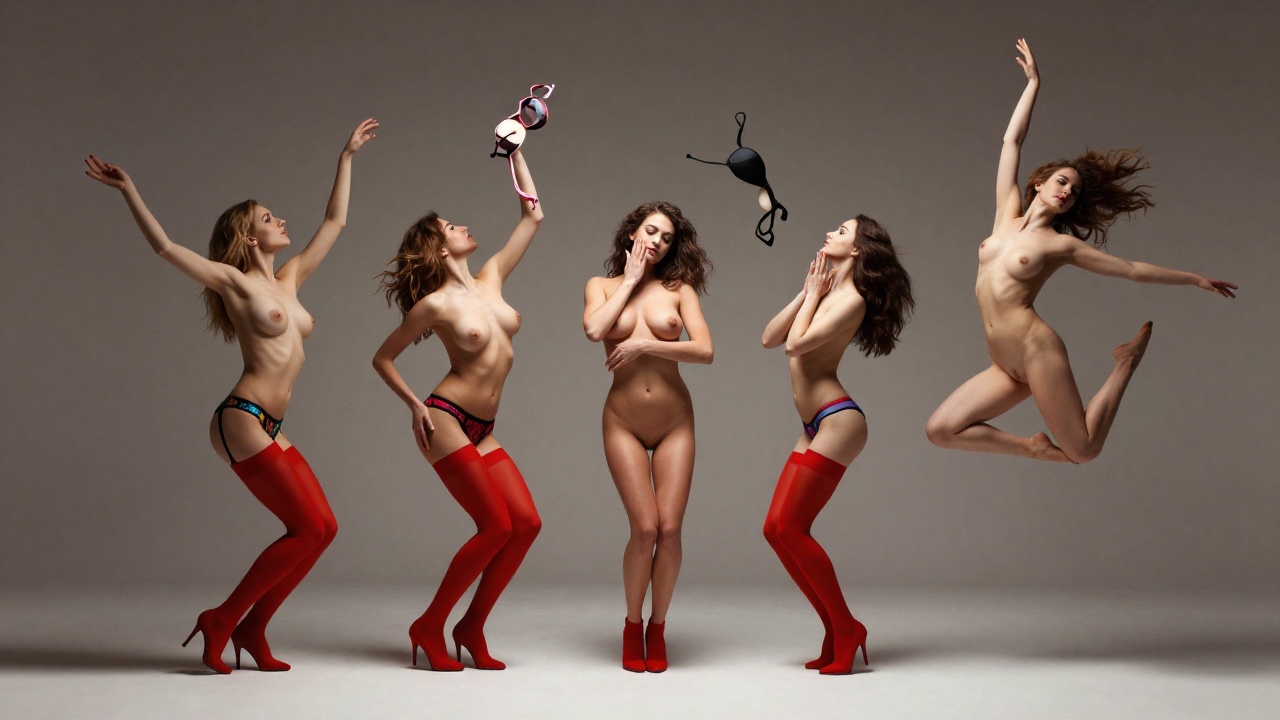


The key difference is simple: they don’t exist physically, but they “live” in ads, social platforms, websites, and marketplaces. They have a look, a style, a personality, and sometimes a full backstory.
It’s important to understand: this isn’t just a pretty picture. Modern virtual models are a real marketing tool.
Why brands are moving to virtual models
The reason isn’t hype. It’s money, control, and speed.

- Total control. A virtual model doesn’t run late, take a vacation, or cancel a shoot at the last minute.
- Flexibility. The same character can “shoot” a summer campaign, a winter lookbook, and an Asia-focused ad—on the same day.
- Long-run efficiency. Yes, building the model costs money. But each new scene later can be cheaper than a traditional shoot.
- Lower reputation risk. Virtual models don’t get pulled into scandals or post something reckless on social media.
A typical situation: a clothing brand launches a new collection. A human shoot means renting a studio, assembling a team, hiring models and makeup artists. With a virtual approach, it can be enough to update the digital character and produce dozens of visuals in a couple of days.
Where virtual models are used today
Advertising and marketing
Banners, digital campaigns, social media, outdoor ads. Virtual models are easy to adapt to each platform. One character—different emotions, poses, and scenarios.
Fashion and e-commerce
Product cards with virtual try-on concepts, lookbooks without photo shoots, collections shown before physical samples exist. For online retail, this can be especially valuable.

Social media and content
Some virtual models run their own accounts, build followings, and become brand ambassadors. The content plan isn’t tied to a real person’s schedule.
Corporate and educational projects
Digital characters are used as virtual consultants, course presenters, and even as the “face” of internal company communication.
How virtual models are created: step by step
The process can look like magic, but in practice it’s structured.




- Image definition. Appearance, age, style, and personality are set based on the brand’s goals.
- 3D modeling. A digital body and face are created, along with expressions.
- Textures and detail. Skin, hair, clothing, light—this is where realism is built.
- Animation and posing. Virtual models “come alive” and start to look natural.
- Content integration. Ads, video, and scenes are produced and deployed.
For example, a cosmetics brand often focuses on skin and facial expression, while a fashion project emphasizes silhouette and fabric movement.
Common doubts—and practical answers
“The audience won’t believe it”
The paradox is that most viewers don’t actively think about whether it’s real or virtual. If the character is made well, it’s perceived as part of the brand’s visual language.
“It’s too expensive”
At the start—yes, it can cost more than a single shoot. But if you count a year of content, reshoots, and market-specific adaptations, virtual models often win.



“It’s not for our business”
People once said the same about websites and social media. Today virtual models are used not only by big corporations, but also by mid-sized brands.
Why virtual models have a long-term future
The market is moving toward digital solutions where speed, control, and scalability matter. Virtual models fit that logic perfectly.
They won’t replace real people everywhere, but they will become a familiar tool wherever traditional production used to be limited. For brands, this is less an experiment and more a calculation.

That’s why “virtual” today is not just a technology—it’s a growth lever for businesses that want to look modern and act rationally.
Son yazılar
- Üstün Müsəlman Qadın olan Hz. Ayşə (ra)
- “Qadınlıq vəzifəsi” məntiqi
- Qadınların razı salınaraq boşanılması
- Müsəlman Qadın emosional deyil
- Ailə həyatında Qadına verilən dəyər
- Müsəlman Qadın nəcibdir
- Qadın-Kişi bərabərsizliyinə çarə: Quran Əxlaqı
- Müsəlman Qadın güclü və iradəli bir xarakterə sahibdir
- Müsəlman Qadın mülayim və təmkinlidir
- Müsəlman Qadın boş sözlərdən və işlərdən çəkinir